
I met her when we were teenagers, me in Los Angeles, her in Mattapan, a whole country between us even then. Neither of us was innocent. She had a real future ahead of her, college and a profession at the end of it, but she’d come up close to the life. So had I. By the time I was grown I’d put a decade into fraud, mostly mortgage and securities, with some credit cards and stolen names along the way. We didn’t meet as a criminal and a good girl. We met as two kids who already knew how to stand near a fire.
We lost each other for years. I cheated, and the other woman got pregnant, and that ended us. Then the Navy, then no more Navy. And somewhere in there we found each other again, her at college back east, me still in Los Angeles, and I did what I have always done when something feels like home: I went toward it without measuring the cost. I crossed the whole country to be with her. We were in love. That part was real, and nothing after it makes sense unless you believe it.
It was her, not me, who made the first call. She phoned one afternoon and asked, with flat, casual simplicity, whether she should take a laptop that was sitting there for the taking. I told her I didn’t much care. She took it. I didn’t drag her into the dark; she stepped into it willingly, and I held the door open.
That was the beginning, and we made a killing. Twelve, fifteen hundred a machine, cash, week after week. She lifted the laptops, dozens of them; I wiped the drives and flipped them on Craigslist. Rent paid without a thought. Dinners out where we didn’t look at the prices. The good life, on stolen money. I have always eaten well, long before there was any honest dollar under it.
The only thing I kept from her was the true scale of the ledger. When a machine cleared and the cash hit my hand, I didn’t always say how much. I burned through thousands more than she ever knew. It wasn’t that I stole from her; the money fed us both. But the silence was a quiet embezzlement of trust, and it was the first secret between us.
We broke up, and she stopped. She walked away.
I was the one who couldn’t.
The house I was in was being sold, the roommates gone, and I was the last one there with a clock running and no way back to Los Angeles. I’d lined up a job but it hadn’t started, and the clock wouldn’t wait. So I went back to the woman who’d already gotten out and asked her for one more run, enough to get me home. She said yes. That’s mine to carry. She was done, and I reached back and pulled her in, for my benefit, so I could leave. And this time I didn’t just handle the back end. She had the access, like always, but instead of her bringing the goods to me, I went and retrieved them myself. The one time I put my own body at the scene was the run that brought the police to my door, and it happened because I asked.
And then one evening the police came.
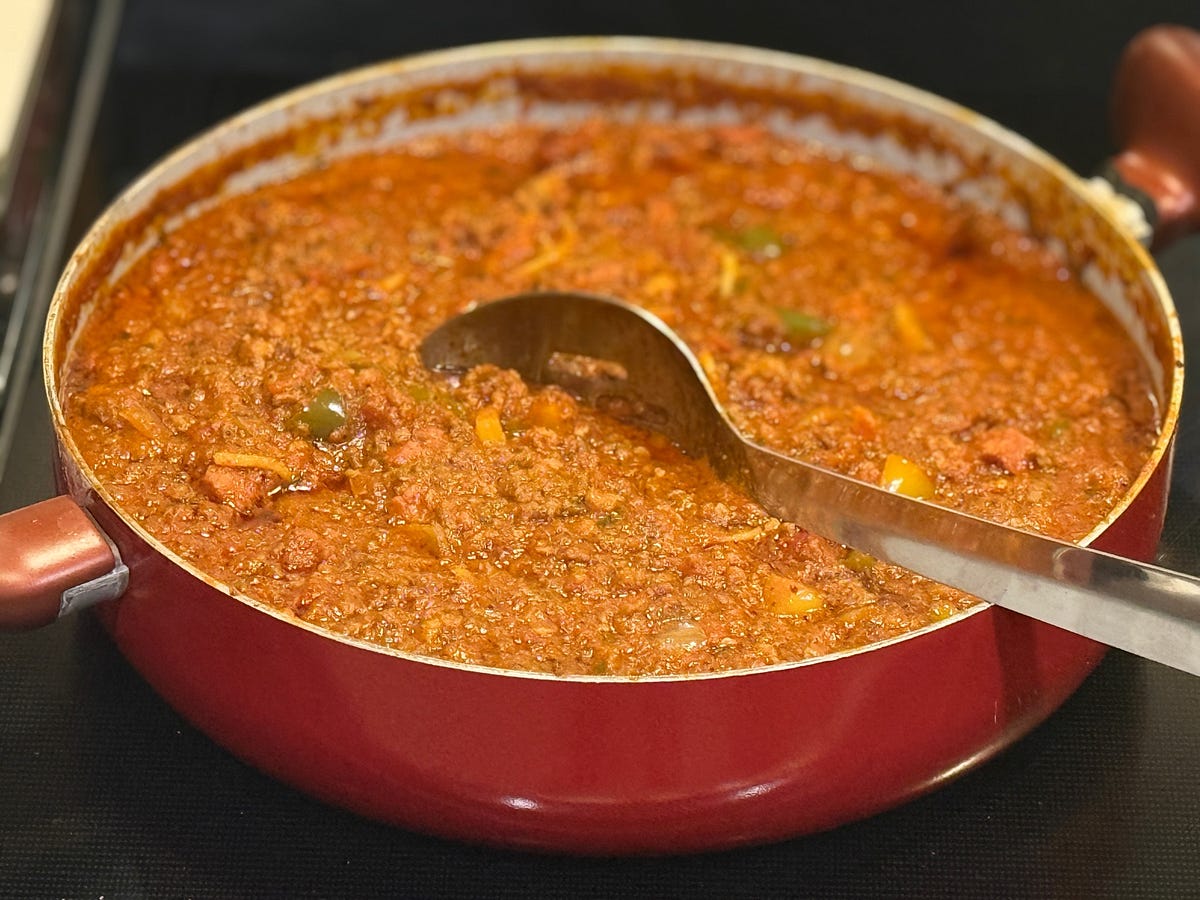
I was cooking. They knocked, they came in, and they let me finish. Then they sat down at my table and ate the meal with me — badges heavy against their shirts — and between bites they asked about her. Did I know her. What was she to me. How did it work.
I lied through every course. I told them I barely knew her, kept her name as far from it as I could, swallowed every incriminating thing. I did it because she was in school, because she was going to be somebody, and I could not stand to be the reason her life got smaller. I sat there feeding the men who’d come to arrest me, and I thought I was being the shield.
I didn’t know she had already signed a statement against me. We were co-defendants, but she’d already cut the line. There was no fingerprint, no camera. The whole case rested on her ink, on her claim that I’d forced her, that I made her do it. Her word was enough. She’d given it to them before I ever sat down at that table to lie for her.
I was twenty-one when they took me in. I turned twenty-two in a cell. A birthday is supposed to mean you’ve crossed into something: freedom, adulthood, the open part of your life. I crossed into a hundred and seventy-six days, four short of the full half-year. I cried for three months of it, and not for the jail. For the dinner. For the realization that I’d weaponized my own loyalty to shield someone who had already let me take the fall.
They let me out with nothing. No money, no way home, three thousand miles from anywhere I belonged. A night or two at the Pine Street Inn, because a cell at least comes with a bed and freedom didn’t. A Catholic charity bought me the Greyhound ticket west. That is how I went home from the great love of my early life: on a bus strangers paid for, watching the country roll backward through a dirty window, having made a small fortune and blown every dime.
She stayed behind to fight. Unlike the quick plea I took, she dragged her case out about a year, and, as I remember it, got buried in restitution somewhere near a quarter million. That was the thing I only understood later: all that loyalty, the dinner, the lies, the time I did, it never even spared her. We both went down, just in different currencies.
Before I left, I asked her the only question that mattered. Why. She said she was scared.
I believe her. But there’s one law in the world we came from, underneath all the others: you do not inform. It has been paid for in blood everywhere that world has ever existed, and she knew it, had come up close enough to understand exactly what it cost, and she put her name to it anyway. The fear explains it. It doesn’t undo it. She was scared, and she informed. Neither one cancels the other.
Years later I went back to Boston and saw her. We didn’t fight. We didn’t relitigate any of it. We hugged, there was a kiss that started nothing, and we put it down at last. We never went back to what we were, but we made our peace, and I left lighter than I’d been in years. I never got my answer. I forgave her anyway. And knowing what she’d done, the forgiving is the part I understand least.
Sometimes I ask myself whether I’d do it again: sit at that table, knowing she’d already signed, and lie to protect her anyway. I don’t know. Not “I’d do it again”; that’s too clean, a noble lie of its own. And not “never again,” because I know what I do when something feels like home.
That’s the haunt. Not the cell, not even the betrayal — the fact that I sat in that loyalty so deep I still can’t swear I’d refuse to sit in it again. A man should know whether he’d walk back into the fire. I don’t. Maybe that’s what loving someone before you knew better leaves you with: a door you can never quite get closed.